In today’s fast-paced digital world, a cloud based CRM app isn’t just a luxury—it’s a necessity. Discover how this powerful tool can transform your business with real-time insights, seamless collaboration, and unmatched scalability.
What Is a Cloud Based CRM App?

A cloud based CRM app is a customer relationship management system hosted on remote servers and accessed via the internet. Unlike traditional on-premise CRM software, it eliminates the need for physical hardware, offering businesses a flexible, scalable, and cost-effective way to manage customer interactions, sales pipelines, and marketing campaigns.

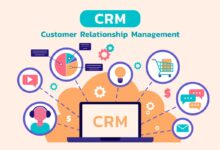




How It Differs from On-Premise CRM
Traditional CRM systems require companies to install and maintain software on local servers. This demands significant upfront investment in hardware, IT staff, and ongoing maintenance. In contrast, a cloud based CRM app operates on a subscription model, allowing businesses to access the platform from any device with an internet connection.
- Lower upfront costs
- Automatic software updates
- Remote accessibility
According to Gartner, over 80% of new CRM deployments in 2023 were cloud-based, highlighting a clear industry shift.
Core Components of a Cloud CRM System
A typical cloud based CRM app includes several integrated modules designed to streamline business operations. These include contact management, sales automation, marketing automation, customer service tools, and analytics dashboards.
- Contact Management: Stores customer data, interaction history, and preferences.
- Sales Automation: Tracks leads, manages pipelines, and automates follow-ups.
- Service & Support: Enables ticketing, live chat, and knowledge base integration.
“The cloud has democratized CRM, making enterprise-grade tools accessible to startups and SMEs alike.” — Salesforce Research
Top 7 Benefits of Using a Cloud Based CRM App
Adopting a cloud based CRM app offers transformative advantages across departments. From boosting sales efficiency to enhancing customer satisfaction, the benefits are both measurable and strategic.
1. Enhanced Accessibility and Mobility
One of the most powerful advantages of a cloud based CRM app is its accessibility. Sales teams can access customer data from laptops, tablets, or smartphones—whether they’re in the office, at a client meeting, or working remotely.
- Real-time updates sync across all devices
- Offline access options available in advanced platforms
- Integration with mobile calendars and email clients
For example, Salesforce Sales Cloud allows reps to update deal stages on the go, ensuring no opportunity slips through the cracks.
2. Rapid Deployment and Scalability
Unlike legacy systems that can take months to deploy, a cloud based CRM app can be up and running in days. This agility is crucial for growing businesses that need to scale quickly without infrastructure bottlenecks.
- Add users with a few clicks
- Scale storage and features based on demand
- Support global expansion with multi-region data centers
Platforms like Zoho CRM offer tiered pricing and modular add-ons, making it easy to start small and grow over time.
3. Cost Efficiency and Predictable Spending
Cloud CRM eliminates the need for expensive servers, IT maintenance, and licensing fees. Instead, businesses pay a predictable monthly or annual fee per user.
- No capital expenditure on hardware
- Reduced IT overhead
- Transparent pricing models
A study by Nucleus Research found that cloud CRM delivers an average ROI of $8.71 for every dollar spent—significantly higher than on-premise alternatives.
4. Automatic Updates and Innovation
Vendors regularly roll out new features, security patches, and performance improvements without requiring user intervention. This ensures that your cloud based CRM app is always up-to-date with the latest technology.
- AI-powered insights and forecasting
- Enhanced data encryption and compliance
- New integrations with third-party tools
For instance, Microsoft Dynamics 365 frequently updates its AI-driven sales assistant, helping reps prioritize leads more effectively.
5. Seamless Integration with Other Business Tools
Modern cloud based CRM apps are designed to integrate effortlessly with email, calendars, marketing automation, ERP systems, and e-commerce platforms.
- Synchronize with Gmail, Outlook, and Slack
- Connect with Mailchimp, HubSpot, or Shopify
- Sync financial data via QuickBooks or Xero
These integrations eliminate data silos and create a unified view of the customer journey.
6. Improved Collaboration Across Teams
With a centralized database, sales, marketing, and customer service teams can collaborate more effectively. Everyone sees the same customer history, reducing miscommunication and improving response times.
- Shared notes and activity logs
- Team task assignments and reminders
- Internal messaging within the CRM
Tools like Pipedrive emphasize team visibility, allowing managers to track progress and coach reps in real time.
7. Advanced Analytics and Business Intelligence
A cloud based CRM app provides powerful reporting tools that turn raw data into actionable insights. Dashboards display key metrics like conversion rates, customer lifetime value, and sales performance.
- Customizable reports and KPIs
- Predictive analytics for forecasting
- Exportable data for external analysis
These insights empower leaders to make data-driven decisions that drive growth.
Key Features to Look for in a Cloud Based CRM App
Not all cloud CRM platforms are created equal. Choosing the right one requires evaluating specific features that align with your business goals and operational needs.
User-Friendly Interface and Customization
A cluttered or complex interface can hinder adoption. The best cloud based CRM apps offer intuitive navigation, drag-and-drop functionality, and customizable dashboards.
- Role-based views for different teams
- Custom fields and workflows
- White-labeling options for agencies
For example, Keap (formerly Infusionsoft) excels in usability for small businesses, offering guided setup and automation templates.
Automation and Workflow Management
Automation reduces manual tasks like data entry, follow-up emails, and task assignments. Look for a cloud based CRM app that supports rule-based triggers and multi-step workflows.
- Automated lead assignment
- Follow-up email sequences
- Task reminders and escalations
These features save time and ensure consistency in customer engagement.
Security, Compliance, and Data Privacy
Storing sensitive customer data in the cloud raises valid concerns. A reliable cloud based CRM app must offer robust security protocols and compliance with regulations like GDPR, CCPA, and HIPAA.
- End-to-end data encryption
- Two-factor authentication (2FA)
- Regular security audits and certifications
Vendors like Salesforce and HubSpot publish detailed trust centers that outline their security practices and uptime guarantees.
Top Cloud Based CRM Apps in 2024
The market is flooded with CRM solutions, but only a few stand out in terms of functionality, reliability, and user satisfaction. Here’s a breakdown of the top contenders.
Salesforce Sales Cloud
Widely regarded as the industry leader, Salesforce offers a comprehensive cloud based CRM app with unmatched customization and ecosystem integration.
- AI-powered Einstein Analytics
- AppExchange with 3,000+ integrations
- Global data centers and enterprise-grade security
Ideal for mid-sized to large enterprises seeking scalability and innovation.
HubSpot CRM
HubSpot’s free cloud based CRM app is a favorite among startups and small businesses due to its ease of use and powerful marketing tools.
- Free plan with essential features
- Seamless integration with HubSpot’s marketing, sales, and service hubs
- Excellent onboarding and educational resources
Perfect for businesses focused on inbound marketing and customer experience.
Microsoft Dynamics 365
This cloud based CRM app integrates tightly with Microsoft 365, making it a natural choice for organizations already using Outlook, Teams, and Excel.
- Deep integration with Office apps
- Power BI for advanced analytics
- AI-driven insights for sales and service
Suitable for enterprises seeking a unified productivity and CRM environment.
How to Choose the Right Cloud Based CRM App for Your Business
Selecting the right cloud based CRM app requires careful evaluation of your business size, industry, budget, and long-term goals.
Assess Your Business Needs and Goals
Start by identifying your key pain points. Are you struggling with lead tracking? Poor customer follow-up? Inefficient marketing campaigns? Define what success looks like before evaluating options.
- Map out your sales process
- Identify required integrations
- Determine user count and roles
This clarity will help narrow down platforms that align with your workflow.
Evaluate Total Cost of Ownership (TCO)
While cloud CRM is generally cost-effective, hidden costs can arise from add-ons, training, and data migration. Calculate the total cost over a 3–5 year period.
- Subscription fees per user
- Cost of premium features or modules
- Implementation and training expenses
Compare vendors transparently—some offer bundled pricing, while others charge à la carte.
Test with a Free Trial or Demo
Most cloud based CRM apps offer free trials or live demos. Use this opportunity to test usability, performance, and support responsiveness.
- Invite key team members to participate
- Simulate real-world scenarios (e.g., logging a call, creating a deal)
- Assess mobile app functionality
Hands-on experience is the best way to gauge fit.
Common Challenges and How to Overcome Them
Despite their advantages, cloud based CRM apps can face adoption and technical hurdles. Being aware of these challenges helps in planning effective solutions.
User Adoption and Training
Even the best CRM fails if employees don’t use it. Resistance often stems from lack of training or perceived complexity.
- Provide role-specific training sessions
- Appoint internal CRM champions
- Start with core features and expand gradually
HubSpot’s Academy offers free CRM training courses that can accelerate onboarding.
Data Migration and Integration Issues
Moving data from spreadsheets or legacy systems can be messy. Incomplete or duplicate records undermine CRM effectiveness.
- Clean and standardize data before migration
- Use automated migration tools provided by vendors
- Validate data post-migration
Many vendors offer professional services to assist with complex migrations.
Security and Data Control Concerns
Some businesses worry about losing control over their data when using a cloud based CRM app. Address these concerns with clear policies and vendor transparency.
- Review the vendor’s data ownership policy
- Ensure compliance with industry regulations
- Implement strong internal access controls
Regular audits and employee training on data handling further mitigate risks.
The Future of Cloud Based CRM Apps
The evolution of CRM is accelerating, driven by AI, automation, and customer-centric innovation. The next generation of cloud based CRM apps will be smarter, more predictive, and deeply embedded in daily workflows.
AI and Predictive Analytics
Future cloud based CRM apps will leverage AI to predict customer behavior, recommend next-best actions, and automate decision-making.
- Predictive lead scoring
- Automated sentiment analysis from emails and calls
- AI-driven chatbots for instant customer support
Salesforce’s Einstein GPT is already generating sales emails and case summaries using generative AI.
Hyper-Personalization and Customer Journey Mapping
CRM systems will move beyond managing contacts to orchestrating personalized customer experiences across every touchpoint.
- Real-time personalization of marketing messages
- Journey analytics to identify drop-off points
- Unified profiles combining online and offline behavior
This level of insight will redefine customer engagement.
Integration with Emerging Technologies
Cloud based CRM apps will increasingly integrate with IoT, AR/VR, and blockchain to deliver innovative experiences.
- IoT data feeding CRM (e.g., smart devices reporting usage patterns)
- AR-powered product demos triggered from CRM records
- Blockchain for secure customer identity verification
These integrations will open new frontiers in customer service and sales.
What is a cloud based CRM app?
A cloud based CRM app is a web-hosted customer relationship management system that allows businesses to manage customer interactions, sales, marketing, and support from any device with internet access. It eliminates the need for on-site servers and offers scalability, automatic updates, and lower costs.
Is a cloud CRM secure?
Yes, reputable cloud based CRM apps use advanced security measures like encryption, multi-factor authentication, and compliance with data protection laws (e.g., GDPR). Most enterprise-grade platforms undergo regular third-party audits to ensure data safety.
Can small businesses benefit from a cloud CRM?
Absolutely. Cloud based CRM apps are ideal for small businesses because they offer affordable pricing, easy setup, and scalable features. Platforms like HubSpot CRM and Zoho CRM provide free or low-cost plans tailored to startups and SMEs.
How does a cloud CRM improve sales productivity?
It automates repetitive tasks, provides real-time access to customer data, tracks sales pipelines, and offers performance analytics. This enables sales teams to focus on closing deals rather than administrative work.
What should I look for when choosing a cloud CRM?
Key factors include ease of use, integration capabilities, scalability, security, customer support, and total cost of ownership. Always test the platform with a free trial before committing.
Adopting a cloud based CRM app is no longer optional—it’s a strategic imperative for businesses aiming to thrive in a digital-first world. From boosting team collaboration to unlocking deep customer insights, the benefits are transformative. By understanding the core features, evaluating top platforms, and planning for challenges, organizations can choose a solution that drives growth and enhances customer relationships. As technology evolves, the future of CRM lies in intelligence, personalization, and seamless integration—making the cloud the ultimate foundation for success.
Further Reading: