In today’s fast-paced sales world, a phone based CRM isn’t just convenient—it’s essential. Discover how this game-changing tool boosts productivity, streamlines communication, and drives real results.
What Is a Phone Based CRM?

A phone based CRM integrates customer relationship management tools directly into your mobile device, allowing sales teams, customer support agents, and business owners to manage client interactions anytime, anywhere. Unlike traditional desktop CRMs, these systems are optimized for smartphones, enabling real-time access to customer data, call logs, task reminders, and follow-up notes—all from the palm of your hand.
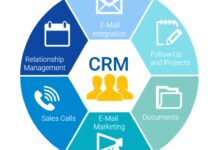




How It Differs from Traditional CRM Systems
Traditional CRM platforms like Salesforce or HubSpot are often designed with desktop use in mind. While they offer mobile apps, their interfaces can be clunky and lack full functionality on smaller screens. A phone based CRM, on the other hand, is built from the ground up for mobile use. This means intuitive navigation, voice-optimized inputs, and seamless integration with native phone features like calling, texting, and calendar syncing.
- Mobile-first design ensures faster access and smoother workflows
- Direct integration with phone hardware (e.g., microphone, camera, GPS)
- Offline capabilities allow data entry even without internet
Core Components of a Mobile CRM
A robust phone based CRM includes several key components that make it indispensable for field sales, remote teams, and customer service professionals. These include contact management, call tracking, task automation, real-time analytics, and cloud synchronization.
- Contact Management: Store, organize, and search customer profiles instantly
- Call Logging: Automatically record calls and link them to customer records
- Task & Follow-up Reminders: Never miss a critical touchpoint again
“The future of CRM isn’t on a desk—it’s in your pocket.” — TechCrunch, 2023
Top 7 Benefits of Using a Phone Based CRM
Adopting a phone based CRM transforms how teams interact with customers. From improving response times to enhancing data accuracy, the advantages are both measurable and strategic. Let’s explore the seven most impactful benefits.
1. Real-Time Access to Customer Data
With a phone based CRM, sales reps can pull up a client’s history, past purchases, preferences, and previous communications the moment they receive a call. This eliminates delays and guesswork, allowing for more personalized and informed conversations.
- Instant access to customer profiles during calls
- Location-based data retrieval for field teams
- Integration with GPS to show nearby clients
According to a Salesforce report, reps using mobile CRM tools spend 40% more time selling and 30% less time on administrative tasks.
2. Improved Sales Team Productivity
Field sales teams no longer need to return to the office to update records. A phone based CRM allows them to log calls, schedule follow-ups, and update deal stages on the go. This reduces data entry lag and keeps pipelines accurate and up to date.
- Automated logging of calls and texts
- Voice-to-text notes for quick updates
- Push notifications for urgent tasks
Tools like HubSpot CRM and Zoho CRM offer mobile apps that sync in real time, ensuring every team member sees the latest information.
3. Enhanced Customer Engagement
When reps have full context before a call, they can tailor their approach. A phone based CRM enables personalized outreach by storing communication history, customer preferences, and even sentiment analysis from past interactions.
- Pre-call briefings with customer insights
- Automated birthday or anniversary messages
- Integration with email and social media
“Personalization drives 20% higher conversion rates in sales outreach.” — McKinsey & Company
4. Seamless Call Integration
One of the standout features of a phone based CRM is its ability to integrate directly with calling functions. This means every inbound and outbound call is automatically logged, linked to the correct contact, and time-stamped without manual input.
- Click-to-call functionality from within the app
- Call recording (where legally permitted)
- Voicemail transcription and tagging
Platforms like RingCentral and Nextiva offer deep telephony-CRM integrations that eliminate double data entry.
5. Better Data Accuracy and Compliance
Manual data entry is prone to errors. A phone based CRM reduces mistakes by automating logging and using structured forms. Additionally, it helps maintain compliance by securely storing communication records and audit trails.
- Auto-population of fields based on call metadata
- Encrypted data storage for GDPR and CCPA compliance
- Role-based access controls for sensitive information
This is especially critical in regulated industries like healthcare and finance, where documentation accuracy is non-negotiable.
6. Increased Mobility for Remote and Field Teams
For teams that work outside the office—real estate agents, insurance brokers, or service technicians—a phone based CRM is a lifeline. It ensures they remain connected to the central system, even when Wi-Fi is unavailable.
- Offline mode with automatic sync when reconnected
- Photo capture of documents or site conditions
- GPS-tagged visits for accountability
A study by Gartner found that mobile CRM adoption increased field service efficiency by 25% in 2022.
7. Faster Decision-Making with Real-Time Analytics
Managers can monitor team performance in real time through dashboards accessible on mobile devices. Metrics like call volume, conversion rates, and follow-up completion are updated instantly, enabling quicker coaching and strategy adjustments.
- Live sales pipeline visualization
- Performance alerts for underperforming reps
- Custom reports accessible on mobile
This level of insight was previously only available on desktops, but phone based CRM systems have closed the gap.
How Phone Based CRM Transforms Sales Processes
The shift from desktop to mobile CRM isn’t just about convenience—it’s a fundamental transformation in how sales teams operate. From lead capture to deal closure, every stage becomes more agile and responsive.
Lead Capture and Qualification
With a phone based CRM, leads can be entered directly after a networking event or cold call. Instead of jotting notes on paper, reps can instantly create a contact, assign a lead score, and set a follow-up task—all within seconds.
- Scan business cards using the phone’s camera
- Use voice commands to create new leads
- Integrate with LinkedIn for quick profile imports
This immediacy reduces lead leakage and ensures no opportunity slips through the cracks.
Automated Follow-Ups and Task Management
One of the biggest challenges in sales is consistency. A phone based CRM automates reminders for follow-ups, ensuring that no client feels neglected. Reps receive push notifications when a task is due, and templates can be used to send quick, personalized messages.
- Schedule follow-up calls with one tap
- Use pre-written email/SMS templates
- Set recurring tasks for long-term nurturing
“Teams using automated follow-ups see a 50% increase in response rates.” — Harvard Business Review
Deal Tracking and Pipeline Visibility
Sales managers gain full visibility into the pipeline from their phones. They can see which deals are stuck, which reps need support, and where bottlenecks occur—all in real time. This allows for proactive coaching and faster deal progression.
- Drag-and-drop deal stage updates
- Color-coded priority indicators
- Integration with calendar for scheduling demos
This transparency fosters accountability and keeps teams aligned.
Key Features to Look for in a Phone Based CRM
Not all mobile CRM solutions are created equal. To maximize ROI, businesses must choose a platform with the right mix of functionality, usability, and integration capabilities.
User-Friendly Interface
The best phone based CRM apps prioritize simplicity. A cluttered interface can slow down users and lead to frustration. Look for clean layouts, intuitive icons, and minimal taps to complete common tasks.
- Customizable home screens
- Dark mode for reduced eye strain
- Gesture-based navigation (e.g., swipe to archive)
Apps like Pipedrive excel in this area with their visual pipeline and one-handed usability.
Offline Functionality
Field workers often operate in areas with poor connectivity. A high-quality phone based CRM should allow data entry, call logging, and task creation even when offline. Once the device reconnects, all data syncs automatically.
- Local data caching
- Conflict resolution during sync
- Background sync options
This feature is critical for industries like construction, agriculture, and rural healthcare.
Integration with Other Tools
A phone based CRM should not exist in isolation. It must integrate seamlessly with email, calendar, telephony, marketing automation, and ERP systems.
- Two-way sync with Google Workspace and Microsoft 365
- API access for custom integrations
- Zapier or Make.com compatibility
For example, integrating with Mailchimp allows automatic list updates based on CRM activity.
Top Phone Based CRM Platforms in 2024
The market is flooded with CRM options, but only a few are truly optimized for mobile-first workflows. Here are the top five phone based CRM platforms that deliver exceptional performance and user satisfaction.
1. HubSpot CRM
HubSpot offers a free, powerful CRM with an excellent mobile app. Its phone based CRM features include call logging, email tracking, task management, and live notifications. The interface is clean, and the app supports offline mode.
- Free plan with robust features
- Seamless integration with Gmail and Outlook
- Mobile-optimized sales sequences
Learn more at hubspot.com.
2. Salesforce Mobile
Salesforce remains the industry leader, and its mobile app brings enterprise-grade CRM to smartphones. With Einstein AI, reps get smart suggestions, predictive analytics, and voice-enabled data entry.
- AI-powered insights
- Customizable dashboards
- Advanced security and compliance
Ideal for large organizations with complex sales cycles. Visit salesforce.com for details.
3. Zoho CRM
Zoho CRM’s mobile app is highly rated for its automation features and affordability. It supports voice commands, offline access, and real-time collaboration.
- AI assistant (Zia) for task suggestions
- Field service management tools
- Multi-language support
Perfect for SMBs. Explore at zoho.com/crm.
4. Pipedrive
Pipedrive is built for salespeople who want a visual, intuitive pipeline. Its mobile app mirrors the desktop experience with drag-and-drop functionality and one-tap actions.
- Visual sales pipeline
- Activity reminders
- Integration with over 400 tools
Great for startups and small teams. See pipedrive.com.
5. Freshsales (by Freshworks)
Freshsales offers a phone based CRM with built-in phone and email, making it a complete communication hub. Its mobile app includes click-to-call, meeting scheduling, and AI-based lead scoring.
- Native telephony integration
- Conversation intelligence
- Automated data capture
Visit freshworks.com for more.
Challenges and Limitations of Phone Based CRM
While the benefits are substantial, phone based CRM systems are not without challenges. Understanding these limitations helps organizations implement them more effectively.
Screen Size and Usability Constraints
Smartphones have smaller screens, which can make data-heavy tasks like report generation or pipeline analysis more difficult. Users may need to zoom, scroll, or switch to desktop for complex operations.
- Limited visibility of detailed dashboards
- Difficulty managing multiple windows
- Higher cognitive load for data entry
Solution: Choose CRMs with responsive design and mobile-specific layouts.
Data Security and Privacy Risks
Mobile devices are more vulnerable to loss, theft, or unauthorized access. If a phone with a CRM app is compromised, sensitive customer data could be exposed.
- Enable biometric login (fingerprint, face ID)
- Use remote wipe features
- Enforce strong password policies
Ensure the CRM provider complies with ISO 27001, SOC 2, or GDPR standards.
Dependency on Internet Connectivity
While offline modes exist, real-time syncing and cloud access require stable internet. In remote areas, this can hinder performance.
- Use local caching to minimize downtime
- Encourage Wi-Fi usage when available
- Choose providers with robust offline capabilities
Hybrid models that sync when online are the best compromise.
Future Trends in Phone Based CRM Technology
The evolution of mobile CRM is accelerating, driven by AI, 5G, and changing work patterns. The next generation of phone based CRM will be smarter, faster, and more intuitive.
AI-Powered Voice Assistants
Future phone based CRM systems will include AI voice agents that can transcribe calls, summarize conversations, and suggest next steps—all in real time. Imagine saying, “Log this call and schedule a follow-up,” and the CRM does it automatically.
- Natural language processing for voice commands
- Real-time sentiment analysis
- Automated meeting notes
Companies like Google and Amazon are already integrating these features into their enterprise tools.
Augmented Reality (AR) Integration
Field service technicians could use AR glasses linked to their phone based CRM to view customer history, schematics, or repair instructions while working hands-free.
- AR overlays for on-site support
- Voice-guided troubleshooting
- Remote expert collaboration
This is already being tested in industries like aviation and manufacturing.
5G and Edge Computing
With 5G, data transfer speeds will increase dramatically, enabling real-time video calls, instant file sharing, and cloud-based processing without lag. Edge computing will allow CRMs to process data locally on the device, reducing latency.
- Faster sync times
- Enhanced video conferencing within CRM
- Real-time AI inference on-device
This will make phone based CRM even more powerful for remote teams.
What is a phone based CRM?
A phone based CRM is a customer relationship management system designed specifically for mobile devices. It allows users to manage contacts, log calls, track deals, and automate tasks directly from their smartphones, enabling real-time access and improved productivity.
How does a phone based CRM improve sales productivity?
It reduces administrative time by automating call logging, enabling offline data entry, and providing instant access to customer information. Sales reps can focus more on selling and less on manual updates.
Can a phone based CRM work without internet?
Yes, many phone based CRM platforms offer offline functionality. Users can create records, log calls, and update tasks, which automatically sync to the cloud once connectivity is restored.
Is my data safe in a mobile CRM app?
Reputable phone based CRM providers use encryption, secure authentication, and compliance certifications (like GDPR and SOC 2) to protect data. Always enable biometric locks and remote wipe features for added security.
Which CRM is best for small businesses?
For small businesses, HubSpot CRM and Zoho CRM are excellent choices due to their affordability, ease of use, and strong mobile features. Pipedrive is also popular for its visual pipeline and sales-focused design.
In conclusion, a phone based CRM is no longer a luxury—it’s a necessity for modern businesses. From boosting sales efficiency to enhancing customer engagement, the benefits are clear and measurable. As technology evolves, these systems will become even more intelligent and integrated, empowering teams to work smarter, faster, and more effectively. Whether you’re a solo entrepreneur or part of a large enterprise, adopting a phone based CRM can transform how you manage relationships and drive growth.
Further Reading:
