In today’s fast-paced digital world, cloud based CRM benefits are transforming how businesses connect with customers. Scalable, secure, and accessible from anywhere, these systems empower teams to work smarter, not harder.
Cloud Based CRM Benefits: Revolutionizing Modern Business Operations

The shift from traditional, on-premise customer relationship management (CRM) systems to cloud-based solutions marks one of the most significant evolutions in business technology over the past decade. Cloud based CRM benefits extend far beyond simple data storage—they redefine how companies manage customer interactions, streamline internal processes, and scale for future growth. Unlike legacy systems that require physical servers, constant maintenance, and high upfront costs, cloud CRM platforms operate over the internet, offering real-time access, automatic updates, and seamless integration with other digital tools.
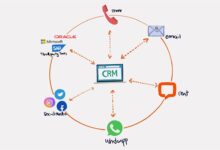



Businesses of all sizes—from startups to multinational corporations—are embracing cloud CRM for its agility and cost-efficiency. According to a report by Grand View Research, the global SaaS CRM market was valued at over $58 billion in 2023 and is projected to grow at a compound annual growth rate (CAGR) of 14.5% through 2030. This surge is driven by increasing demand for remote collaboration, data analytics, and customer-centric strategies.
At its core, a cloud-based CRM centralizes customer data—contact information, sales history, support tickets, marketing interactions—into a single, secure platform accessible from any device with an internet connection. This eliminates data silos, reduces human error, and ensures that every team member works with the most up-to-date information. Whether your sales team is closing deals on the road or your support agents are resolving issues from home, cloud CRM keeps everyone aligned and informed.
What Makes Cloud CRM Different From On-Premise Systems?
Traditional CRM systems require businesses to purchase and maintain physical servers, install software locally, and hire dedicated IT staff for updates and troubleshooting. These systems are often rigid, expensive to scale, and vulnerable to downtime during outages or hardware failures.
cloud based crm benefits – Cloud based crm benefits menjadi aspek penting yang dibahas di sini.
In contrast, cloud based CRM benefits include automatic software updates, built-in security protocols, and pay-as-you-go pricing models. Providers like Salesforce, HubSpot, and Zoho handle infrastructure management, allowing businesses to focus on strategy rather than technical upkeep. This model also enables rapid deployment—many cloud CRM platforms can be up and running in days, not months.
- Cloud CRM eliminates the need for physical server rooms and associated energy costs.
- Updates are rolled out automatically, ensuring users always have access to the latest features.
- Disaster recovery and data backups are managed by the provider, reducing risk of data loss.
“The cloud has democratized access to enterprise-grade technology. Small businesses can now compete with larger players using the same powerful tools.” — Marc Benioff, CEO of Salesforce
How Cloud CRM Supports Digital Transformation
Digital transformation isn’t just about adopting new tools—it’s about reimagining how a business operates to deliver better customer experiences. Cloud based CRM benefits play a pivotal role in this transformation by enabling automation, data-driven decision-making, and omnichannel engagement.
For example, a cloud CRM can automatically log customer emails, track website visits, and trigger personalized follow-ups based on user behavior. This level of integration was once only possible for large enterprises with massive IT budgets. Today, even small businesses can leverage AI-powered insights and workflow automation to enhance productivity and customer satisfaction.
Moreover, cloud CRM platforms often come with open APIs, allowing them to integrate seamlessly with marketing automation tools, e-commerce platforms, and customer service software. This interconnected ecosystem ensures that customer data flows smoothly across departments, breaking down silos between sales, marketing, and support teams.
Top 7 Cloud Based CRM Benefits for Businesses in 2024
As competition intensifies and customer expectations rise, organizations must leverage every advantage to stay ahead. The following seven cloud based CRM benefits highlight why this technology is no longer optional—it’s essential for sustainable growth and operational excellence.
cloud based crm benefits – Cloud based crm benefits menjadi aspek penting yang dibahas di sini.
1. Cost Efficiency and Predictable Pricing
One of the most compelling cloud based CRM benefits is its cost structure. Unlike on-premise systems that demand large capital expenditures (CapEx) for hardware, software licenses, and installation, cloud CRM operates on an operational expenditure (OpEx) model. This means businesses pay a monthly or annual subscription fee based on the number of users and features needed.
This pay-per-use model makes it easier for startups and small businesses to adopt advanced CRM capabilities without straining their budgets. There’s no need to invest in expensive servers or hire a full-time IT team to manage them. Maintenance, upgrades, and security are all included in the service.
- No upfront hardware costs or installation fees.
- Scalable pricing plans allow businesses to adjust as they grow.
- Reduced need for internal IT resources lowers long-term operational costs.
According to a study by Nucleus Research, companies using cloud CRM achieve an average return on investment (ROI) of $8.71 for every dollar spent—significantly higher than on-premise alternatives.
2. Accessibility and Remote Work Enablement
In the post-pandemic era, remote and hybrid work models have become standard. Cloud based CRM benefits shine in this environment by providing secure, real-time access to customer data from anywhere in the world. Sales reps can update deal stages from a client meeting, customer service agents can resolve tickets from home, and managers can monitor team performance on mobile devices.
This flexibility enhances productivity and responsiveness. A salesperson no longer needs to wait until they return to the office to log a conversation or send a proposal. With cloud CRM, everything is updated instantly across the system, ensuring continuity and accuracy.
cloud based crm benefits – Cloud based crm benefits menjadi aspek penting yang dibahas di sini.
- Access CRM data via web browsers or mobile apps on iOS and Android.
- Synchronize changes in real time across all devices and users.
- Support for distributed teams improves collaboration and reduces delays.
“Our sales team closed 30% more deals last quarter because they could access client histories during virtual meetings using the cloud CRM app.” — Marketing Director, Mid-Sized Tech Firm
3. Rapid Deployment and Easy Scalability
Time-to-value is critical when implementing new business software. Cloud based CRM benefits include rapid deployment—many platforms can be configured and launched within days. This is a stark contrast to on-premise systems, which can take weeks or even months to install and customize.
Additionally, scalability is effortless. As your business grows, you can add new users, upgrade features, or expand storage with just a few clicks. There’s no need to purchase additional servers or worry about system overload. The cloud infrastructure automatically adjusts to handle increased demand.
- Add or remove users instantly based on workforce changes.
- Scale storage and processing power without hardware upgrades.
- Adapt quickly to seasonal spikes in customer activity or sales campaigns.
For example, an e-commerce company preparing for Black Friday can temporarily increase user licenses and analytics capabilities to support a surge in customer inquiries and order tracking.
Enhanced Data Security and Compliance in Cloud CRM
Many organizations hesitate to move sensitive customer data to the cloud due to security concerns. However, modern cloud based CRM benefits include enterprise-grade security measures that often surpass what most companies can implement on their own.
Leading cloud CRM providers invest heavily in cybersecurity, employing encryption, multi-factor authentication (MFA), intrusion detection systems, and regular third-party audits. Data is stored in secure data centers with redundant backups and 24/7 monitoring, minimizing the risk of breaches or data loss.
cloud based crm benefits – Cloud based crm benefits menjadi aspek penting yang dibahas di sini.
Advanced Encryption and Data Protection
All data transmitted between users and the CRM platform is encrypted using protocols like TLS (Transport Layer Security). At rest, customer information is protected with AES-256 encryption—the same standard used by banks and government agencies.
This means that even if data is intercepted or a device is lost, unauthorized parties cannot access the information without the proper decryption keys. Most cloud CRM platforms also offer role-based access control (RBAC), allowing administrators to define exactly who can view or edit specific records.
- End-to-end encryption protects data in transit and at rest.
- Role-based permissions ensure only authorized personnel access sensitive information.
- Session timeouts and login alerts enhance account security.
Compliance with Global Regulations
Cloud CRM vendors are increasingly compliant with international data protection laws such as GDPR (General Data Protection Regulation) in Europe, CCPA (California Consumer Privacy Act) in the U.S., and HIPAA for healthcare-related data. This compliance helps businesses avoid costly fines and legal complications when handling personal information.
For instance, Salesforce and Microsoft Dynamics 365 offer built-in tools to help users manage consent, respond to data subject requests, and generate audit logs. These features simplify compliance efforts and demonstrate a company’s commitment to data privacy.
- Automated data retention and deletion policies align with regulatory requirements.
- Audit trails track all user actions for accountability and reporting.
- Regular compliance certifications (e.g., ISO 27001, SOC 2) assure data integrity.
“Cloud providers have more resources to dedicate to security than most individual companies. Their scale allows for better threat detection and faster response times.” — Gartner Research Report, 2023
Real-Time Collaboration and Team Alignment
One of the hidden cloud based CRM benefits is its ability to foster collaboration across departments. When customer data lives in a centralized, cloud-accessible system, silos between sales, marketing, and customer service begin to dissolve.
cloud based crm benefits – Cloud based crm benefits menjadi aspek penting yang dibahas di sini.
Teams can share notes, assign tasks, and track progress on shared deals or support cases. For example, a marketing team can see which leads have been contacted by sales, while customer service can view past purchase history before responding to a complaint. This holistic view leads to more personalized interactions and faster resolution times.
Shared Customer Profiles and Activity Feeds
Modern cloud CRM platforms feature unified customer profiles that aggregate all interactions—emails, calls, meetings, social media engagements, and support tickets—into a single timeline. This 360-degree view allows every team member to understand the full context of a customer relationship.
Activity feeds function like a social media newsfeed within the CRM, notifying team members of updates such as deal stage changes, new support requests, or upcoming renewals. This transparency reduces miscommunication and ensures no opportunity falls through the cracks.
- Team members receive real-time notifications about customer interactions.
- Shared calendars and task lists improve coordination on joint projects.
- Internal commenting and @mentions streamline communication within the platform.
Workflow Automation and Task Management
Cloud CRM systems come equipped with powerful automation tools that eliminate repetitive tasks. For example, when a lead fills out a form on your website, the CRM can automatically assign it to a sales rep, send a welcome email, and schedule a follow-up task—all without human intervention.
These automations not only save time but also ensure consistency in customer engagement. Missed follow-ups, duplicate entries, and manual errors become rare. Managers can also set up approval workflows, escalation rules, and performance dashboards to monitor team efficiency.
cloud based crm benefits – Cloud based crm benefits menjadi aspek penting yang dibahas di sini.
- Automate lead assignment based on geography, product interest, or sales capacity.
- Trigger email sequences and SMS alerts based on customer behavior.
- Create custom approval chains for discounts, contracts, or service requests.
A study by Salesforce found that high-performing sales teams are 2.5 times more likely to use automation tools within their CRM, leading to faster deal cycles and higher win rates.
Advanced Analytics and Business Intelligence
Data is only valuable if it can be turned into actionable insights. Cloud based CRM benefits include robust analytics and reporting tools that help businesses understand customer behavior, forecast sales, and optimize marketing campaigns.
Unlike static spreadsheets or outdated reports, cloud CRM dashboards provide real-time visibility into key performance indicators (KPIs) such as conversion rates, average deal size, customer lifetime value (CLV), and churn rate. These insights empower leaders to make informed decisions quickly.
Customizable Dashboards and Reports
Most cloud CRM platforms allow users to create personalized dashboards tailored to their role. Sales managers might track pipeline health and team quotas, while marketing leaders focus on campaign ROI and lead quality. These dashboards update in real time, reflecting the latest data.
Reports can be scheduled and automatically delivered via email, ensuring stakeholders stay informed without manual effort. Drill-down capabilities let users explore data at a granular level—for example, analyzing sales performance by region, product line, or individual rep.
cloud based crm benefits – Cloud based crm benefits menjadi aspek penting yang dibahas di sini.
- Drag-and-drop report builders make it easy to create custom analyses.
- Export data to Excel, PDF, or integrate with BI tools like Tableau or Power BI.
- Visualize trends with charts, graphs, and heat maps for better comprehension.
Predictive Analytics and AI-Powered Insights
Leading cloud CRM platforms now incorporate artificial intelligence (AI) to deliver predictive analytics. These tools analyze historical data to forecast future outcomes, such as which leads are most likely to convert, when a customer might churn, or what the optimal price point is for a deal.
For example, Salesforce Einstein and HubSpot’s AI features can recommend the best time to contact a lead, suggest personalized content, or score prospects based on engagement levels. This level of intelligence helps sales and marketing teams prioritize efforts and increase efficiency.
- Predictive lead scoring identifies high-value prospects automatically.
- Churn prediction models alert teams to at-risk customers before they leave.
- AI-driven recommendations improve email open rates and conversion metrics.
“AI in CRM is not about replacing humans—it’s about augmenting their decision-making with data-driven insights.” — Forbes Technology Council
Seamless Integration with Other Business Tools
No business operates in isolation. Cloud based CRM benefits extend to seamless integration with a wide range of third-party applications, creating a unified digital ecosystem. Whether it’s syncing with email platforms, e-commerce stores, or accounting software, integrations ensure data flows smoothly across systems.
Most cloud CRM providers offer native integrations or marketplaces where users can connect hundreds of apps with minimal configuration. For example, connecting your CRM to Gmail allows automatic logging of emails, while integration with Shopify ensures order history is updated in real time.
Email and Calendar Synchronization
Integrating your CRM with email services like Gmail or Outlook eliminates the need to manually log communications. Every sent and received email is automatically attached to the relevant contact record. Similarly, calendar sync ensures that meetings scheduled in Google Calendar or Microsoft Outlook appear in the CRM and vice versa.
cloud based crm benefits – Cloud based crm benefits menjadi aspek penting yang dibahas di sini.
This integration saves time and improves accuracy. Sales reps no longer have to remember to update their CRM after a call—they can focus on building relationships while the system handles the documentation.
- Automatic email logging reduces manual data entry.
- Two-way calendar sync prevents scheduling conflicts.
- Meeting notes and call recordings can be attached directly to contact profiles.
E-Commerce and Payment Platform Integration
For businesses selling online, integrating the CRM with e-commerce platforms like Shopify, WooCommerce, or BigCommerce is a game-changer. Customer purchase history, order frequency, and product preferences are automatically synced, enabling personalized marketing and loyalty programs.
Payment gateways like Stripe or PayPal can also be linked to track transactions and subscription renewals. This integration helps identify upsell opportunities and reduces churn by alerting teams when a customer’s subscription is about to expire.
- Track customer lifetime value based on actual purchase data.
- Trigger automated follow-ups after a purchase or renewal.
- Segment customers by buying behavior for targeted campaigns.
A case study by Zoho showed that a retail brand increased repeat purchases by 22% after integrating their CRM with their online store and launching behavior-based email campaigns.
Improved Customer Experience and Retention
At the heart of every CRM is the goal of improving customer relationships. Cloud based CRM benefits directly contribute to enhanced customer experience by enabling faster response times, personalized interactions, and proactive service.
cloud based crm benefits – Cloud based crm benefits menjadi aspek penting yang dibahas di sini.
When support agents have instant access to a customer’s full history—including past purchases, support tickets, and communication preferences—they can resolve issues more efficiently and empathetically. This leads to higher satisfaction scores and stronger brand loyalty.
Personalized Marketing and Communication
Cloud CRM platforms allow businesses to segment customers based on demographics, behavior, and engagement levels. This segmentation enables highly targeted marketing campaigns that resonate with specific audiences.
For example, a SaaS company can send a special offer to users who haven’t logged in for 30 days, while another group receives a tutorial email based on their recent feature usage. These personalized touches increase engagement and reduce churn.
- Dynamic content in emails adapts based on user data.
- Behavior-triggered messages improve conversion rates.
- Customer journey mapping ensures consistent messaging across touchpoints.
Proactive Support and Self-Service Options
Modern cloud CRM systems often include customer service modules with ticketing, knowledge bases, and chatbot integrations. These tools enable proactive support—automatically sending help articles when a user encounters an error or offering live chat during checkout.
Self-service portals empower customers to find answers without contacting support, reducing workload and improving satisfaction. Meanwhile, AI-powered chatbots can handle common inquiries 24/7, escalating complex issues to human agents when needed.
cloud based crm benefits – Cloud based crm benefits menjadi aspek penting yang dibahas di sini.
- Automated ticket routing ensures fast response times.
- Knowledge base integration reduces repetitive support queries.
- Customer satisfaction (CSAT) scores improve with faster resolutions.
“Companies that use CRM to personalize experiences see a 20% increase in customer satisfaction and a 15% boost in revenue.” — McKinsey & Company
Future-Proofing Your Business with Cloud CRM
Technology evolves rapidly, and businesses must adapt to stay competitive. Cloud based CRM benefits include continuous innovation—vendors regularly release new features, AI enhancements, and mobile capabilities without requiring customer intervention.
Because updates are automatic, businesses always have access to the latest tools without additional cost or downtime. This future-proofing ensures that your CRM grows with your business, supporting new markets, products, and customer expectations.
- Stay ahead of competitors with early access to AI and machine learning features.
- Adapt to changing customer behaviors with agile, configurable platforms.
- Reduce technical debt by avoiding outdated, unsupported software.
Furthermore, cloud CRM supports sustainability goals by reducing the need for physical hardware and energy consumption. This aligns with growing corporate responsibility initiatives and appeals to environmentally conscious customers.
What are the main cloud based CRM benefits?
The primary cloud based CRM benefits include cost savings, remote accessibility, rapid deployment, enhanced security, real-time collaboration, advanced analytics, and seamless integration with other business tools. These advantages help businesses improve efficiency, scalability, and customer satisfaction.
cloud based crm benefits – Cloud based crm benefits menjadi aspek penting yang dibahas di sini.
Is cloud CRM safe for storing customer data?
Yes, cloud CRM is generally safer than on-premise systems. Leading providers use advanced encryption, multi-factor authentication, and regular security audits to protect data. They also comply with global regulations like GDPR and CCPA, ensuring data privacy and legal compliance.
Can small businesses benefit from cloud CRM?
Absolutely. Cloud based CRM benefits are especially valuable for small businesses, offering enterprise-level tools at affordable prices. With low upfront costs, easy setup, and scalable plans, small teams can automate sales, marketing, and support processes to compete effectively.
How does cloud CRM improve customer service?
cloud based crm benefits – Cloud based crm benefits menjadi aspek penting yang dibahas di sini.
Cloud CRM improves customer service by centralizing customer data, enabling faster response times, and supporting personalized interactions. Features like ticketing systems, knowledge bases, and AI chatbots enhance support efficiency and satisfaction.
Which industries benefit most from cloud CRM?
Industries such as retail, SaaS, healthcare, financial services, and education benefit significantly from cloud CRM. Any organization that relies on strong customer relationships can leverage cloud CRM to enhance engagement, retention, and revenue growth.
In conclusion, the cloud based CRM benefits outlined in this article demonstrate why this technology is a cornerstone of modern business strategy. From reducing operational costs to enabling data-driven decision-making, cloud CRM empowers organizations to work more efficiently, serve customers better, and scale with confidence. As remote work, digital transformation, and customer expectations continue to evolve, investing in a cloud-based CRM is not just an option—it’s a necessity for long-term success.
Further Reading: