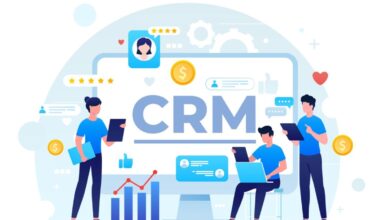
In today’s fast-paced digital world, a cloud based saas crm solution is no longer a luxury—it’s a necessity. Discover how this game-changing technology transforms customer relationships, boosts efficiency, and scales with your business.
What Is a Cloud Based SaaS CRM Solution?

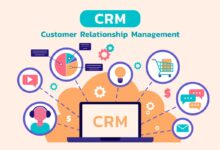
A cloud based saas crm solution refers to a Customer Relationship Management system delivered as a service over the internet. Unlike traditional on-premise CRM software, it’s hosted on remote servers managed by a third-party provider, enabling businesses to access their CRM tools anytime, anywhere, via a web browser or mobile app. This model eliminates the need for costly hardware, complex installations, and manual updates.




How SaaS Differs from On-Premise CRM
Traditional CRM systems require companies to purchase licenses, install software on local servers, and maintain IT infrastructure. In contrast, a cloud based saas crm solution operates on a subscription basis. You pay a monthly or annual fee, and the provider handles everything from security patches to scalability. This shift reduces upfront costs and allows for faster deployment.
- On-premise CRM: High initial investment, full control, limited scalability
- SaaS CRM: Low entry cost, automatic updates, instant scalability
- Hybrid models: Mix of both, often used during transitions
According to Gartner, over 80% of new CRM deployments in 2023 were cloud-based, signaling a clear industry shift.
Core Components of a SaaS CRM Platform
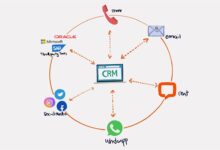
A robust cloud based saas crm solution typically includes several integrated modules designed to streamline customer interactions across departments. These include contact management, sales automation, marketing automation, customer service support, and analytics.
- Contact Management: Centralizes customer data including names, emails, call logs, and purchase history.
- Sales Force Automation: Tracks leads, manages pipelines, and automates follow-ups.
- Marketing Automation: Enables targeted email campaigns, lead scoring, and campaign performance tracking.
- Service & Support: Offers ticketing systems, knowledge bases, and live chat integrations.
- Analytics & Reporting: Provides real-time dashboards and predictive insights.
“The cloud has democratized access to enterprise-grade CRM tools, allowing even small startups to compete with industry giants.” — Forbes Technology Council
Top 7 Benefits of a Cloud Based SaaS CRM Solution
Adopting a cloud based saas crm solution brings transformative advantages. From cost savings to enhanced collaboration, these platforms are engineered to drive growth and improve customer satisfaction. Let’s explore the seven most impactful benefits.
1. Cost Efficiency and Predictable Pricing
One of the biggest advantages of a cloud based saas crm solution is its cost structure. Instead of spending tens of thousands on software licenses and server infrastructure, businesses pay a predictable monthly fee per user. This operational expense model improves cash flow and makes budgeting easier.
- No need for dedicated IT staff to manage servers
- Reduced downtime and maintenance costs
- Scalable pricing based on team size or usage
For example, platforms like Salesforce Sales Cloud offer tiered plans starting as low as $25/user/month, making advanced CRM capabilities accessible to SMBs.
2. Rapid Deployment and Easy Onboarding
Traditional CRM implementations can take months. A cloud based saas crm solution, however, can be up and running in days. Most providers offer guided setup wizards, pre-built templates, and integration with common tools like Gmail, Outlook, and Slack.
- Self-service portals allow quick user provisioning
- Drag-and-drop customization reduces dependency on developers
- Mobile apps ensure immediate access for remote teams
This agility is especially valuable for fast-growing companies that need to scale operations quickly without technical bottlenecks.
3. Automatic Updates and Continuous Innovation
With a cloud based saas crm solution, you never miss out on new features. Providers regularly roll out updates—often quarterly—that include security enhancements, UI improvements, and new functionalities like AI-powered insights or voice integration.
- Updates are applied automatically with zero downtime
- No manual patching or version upgrades required
- Access to cutting-edge technologies like machine learning and NLP
For instance, Zoho CRM releases biannual major updates with features like Zia AI assistant and workflow automation enhancements.
4. Scalability to Match Business Growth
Whether you’re a startup with five employees or a multinational with thousands, a cloud based saas crm solution scales seamlessly. You can add or remove users, upgrade features, or expand into new regions with minimal effort.
- Horizontal scaling: Add more users instantly
- Vertical scaling: Upgrade to premium tiers with advanced tools
- Global accessibility: Serve customers across time zones with localized data centers
This flexibility ensures your CRM grows with your business, avoiding the need for disruptive migrations later.
5. Enhanced Collaboration Across Teams
A cloud based saas crm solution breaks down silos between departments. Sales, marketing, and customer service teams can all access the same real-time customer data, leading to better coordination and consistent messaging.
- Shared calendars and task assignments improve accountability
- Internal commenting and @mentions streamline communication
- Unified customer view prevents duplicate efforts
Teams using collaborative CRM platforms report up to 30% faster response times and higher customer satisfaction scores, according to a Nucleus Research study.
6. Anytime, Anywhere Access with Mobile Support
Modern sales and service teams are mobile. A cloud based saas crm solution empowers them with full functionality on smartphones and tablets. Whether meeting clients offsite or working remotely, users can update records, log calls, and close deals from anywhere.
- Offline mode allows data entry without internet connectivity
- GPS-enabled visit tracking for field sales reps
- Voice-to-text notes and photo uploads enhance productivity
Leading platforms like HubSpot and Microsoft Dynamics 365 offer native iOS and Android apps with near-desktop functionality.
7. Built-in Security and Data Compliance
Contrary to common misconceptions, cloud based saas crm solution providers often offer superior security compared to on-premise systems. They invest heavily in encryption, multi-factor authentication, intrusion detection, and compliance certifications.
- Data encrypted both in transit and at rest
- Regular third-party audits (e.g., SOC 2, ISO 27001)
- GDPR, CCPA, and HIPAA compliance options available
For example, Oracle CX maintains compliance across 100+ global regulations, giving enterprises peace of mind.
Key Features to Look for in a Cloud Based SaaS CRM Solution
Not all cloud based saas crm solution platforms are created equal. To maximize ROI, evaluate vendors based on these essential features that drive usability, integration, and long-term value.
User-Friendly Interface and Customization
The best CRM systems are intuitive. A cluttered or complex interface leads to low user adoption. Look for platforms with clean dashboards, drag-and-drop builders, and role-based views.
- Custom fields and layouts tailored to your industry
- Personalized home screens for different teams
- Dark mode and accessibility options for user comfort
Tools like Pipedrive excel in simplicity, while Salesforce offers deep customization for enterprise needs.
Integration Capabilities with Other Tools
Your CRM shouldn’t exist in isolation. A powerful cloud based saas crm solution integrates seamlessly with email, calendar, ERP, e-commerce, and marketing platforms.
- Native integrations with tools like Mailchimp, Shopify, and QuickBooks
- API access for custom connections
- Zapier or Make (Integromat) support for no-code automation
For example, HubSpot CRM integrates with over 1,000 apps, making it a hub for digital operations.
AI and Automation Features
Artificial intelligence is revolutionizing CRM. From lead scoring to predictive analytics, AI-driven insights help teams prioritize actions and forecast outcomes.
- AI-powered chatbots for instant customer support
- Smart email drafting and sentiment analysis
- Forecasting sales trends using historical data
Salesforce Einstein and Zia by Zoho are prime examples of embedded AI enhancing decision-making.
Top Cloud Based SaaS CRM Solutions in 2024
The market is flooded with options, but only a few stand out in terms of reliability, innovation, and customer satisfaction. Here’s a breakdown of the top five cloud based saas crm solution providers dominating the industry.
Salesforce Sales Cloud
Salesforce remains the gold standard in CRM. Its Sales Cloud offers a comprehensive suite of tools for sales automation, pipeline management, and analytics.
- Highly customizable with AppExchange ecosystem
- Strong AI capabilities via Einstein
- Extensive training resources through Trailhead
Ideal for mid-sized to large enterprises needing scalability and deep functionality.
HubSpot CRM
HubSpot offers a freemium cloud based saas crm solution that’s perfect for startups and small businesses. It combines CRM with marketing, sales, and service hubs.
- Free plan includes contact management, email tracking, and deal pipelines
- User-friendly interface with excellent onboarding
- Seamless integration with HubSpot Academy for learning
A top choice for inbound marketing-focused organizations.
Microsoft Dynamics 365
For companies already using Microsoft 365, Dynamics 365 provides a tightly integrated cloud based saas crm solution with deep ERP capabilities.
- Tight integration with Outlook, Teams, and Power BI
- Strong back-end functionality for finance and operations
- AI-driven insights via Copilot features
Best suited for enterprises seeking an all-in-one business management platform.
How to Choose the Right Cloud Based SaaS CRM Solution for Your Business
Selecting the right cloud based saas crm solution requires careful evaluation of your business size, industry, goals, and technical environment. Follow this step-by-step guide to make an informed decision.
Assess Your Business Needs and Goals
Start by identifying what you want to achieve. Are you looking to improve lead conversion? Enhance customer retention? Streamline marketing campaigns?
- Map out key workflows (e.g., lead-to-cash process)
- Identify pain points in current customer management
- Define success metrics (e.g., 20% increase in sales productivity)
This clarity will help you prioritize features during vendor evaluation.
Evaluate Total Cost of Ownership (TCO)
While SaaS CRM appears affordable upfront, hidden costs can add up. Consider licensing, add-ons, training, and integration expenses.
- Compare per-user pricing across tiers
- Factor in costs for premium support or consulting
- Estimate internal time investment for adoption
A tool like G2 Crowd’s comparison tool can help benchmark TCO across platforms.
Check Vendor Reliability and Support
Your CRM partner should be as reliable as your bank. Research uptime guarantees, customer reviews, and support responsiveness.
- Look for SLAs with 99.5%+ uptime
- Test their support channels (chat, phone, email)
- Read case studies from similar-sized businesses
Platforms like Zendesk and Freshsales score high on customer support satisfaction.
Implementation Best Practices for Cloud Based SaaS CRM Solutions
Even the best cloud based saas crm solution will fail without proper implementation. Follow these best practices to ensure a smooth rollout and high user adoption.
Start with a Clear Data Migration Strategy
Moving data from spreadsheets or legacy systems requires planning. Cleanse duplicates, standardize formats, and map fields accurately.
- Use CSV imports or automated migration tools
- Validate data post-migration for accuracy
- Set up data governance policies early
Many vendors offer free migration assistance for new customers.
Train Users and Drive Adoption
Over 50% of CRM failures stem from poor user adoption. Invest in training and change management.
- Conduct role-specific training sessions
- Create video tutorials and FAQs
- Appoint internal CRM champions
HubSpot’s onboarding emails and Salesforce’s Trailhead are excellent models for continuous learning.
Monitor Performance and Optimize
After launch, track KPIs like login rates, data completeness, and pipeline velocity.
- Use built-in reports to identify usage gaps
- Gather user feedback monthly
- Iterate on workflows and automations
Regular optimization ensures your cloud based saas crm solution evolves with your business.
Future Trends Shaping Cloud Based SaaS CRM Solutions
The CRM landscape is evolving rapidly. Emerging technologies and changing customer expectations are redefining what a cloud based saas crm solution can do.
AI-Powered Predictive Analytics
Future CRM systems will not just report on past behavior but predict future actions. AI will forecast which leads are most likely to convert, suggest optimal follow-up times, and recommend personalized offers.
- Real-time risk scoring for customer churn
- Dynamic pricing suggestions based on buyer intent
- Automated content generation for outreach
Companies like Salesforce and Oracle are already embedding these capabilities deeply.
Hyper-Personalization at Scale
Customers expect individualized experiences. Next-gen cloud based saas crm solution platforms will leverage behavioral data, purchase history, and sentiment analysis to deliver hyper-personalized interactions across channels.
- Personalized email content based on browsing behavior
- Custom product recommendations in real time
- Dynamic website content tailored to visitor profiles
This level of personalization increases conversion rates and loyalty.
Integration with IoT and Voice Assistants
As smart devices proliferate, CRM systems will integrate with IoT sensors and voice platforms. Imagine a CRM that logs service requests when a machine detects a fault or allows sales reps to update records via voice commands.
- Voice-to-CRM updates using Alexa or Google Assistant
- IoT-triggered service tickets in field service management
- Smart home device integration for B2C engagement
These innovations will make CRM more proactive and context-aware.
What is a cloud based saas crm solution?
A cloud based saas crm solution is a web-hosted Customer Relationship Management system that operates on a subscription model. It allows businesses to manage customer interactions, sales pipelines, marketing campaigns, and support services via the internet without installing software locally.
How does a SaaS CRM differ from traditional CRM?
Traditional CRM requires on-site servers and manual updates, while a cloud based saas crm solution is hosted remotely, updated automatically, and accessed via the internet. SaaS CRM reduces costs, speeds deployment, and offers greater scalability.
Is my data safe in a cloud based saas crm solution?
Yes. Reputable providers use advanced encryption, regular security audits, and compliance certifications (like GDPR and SOC 2) to protect your data. In many cases, cloud CRM is more secure than on-premise systems due to dedicated security teams and infrastructure.
Can small businesses benefit from a cloud based saas crm solution?
Absolutely. Small businesses gain enterprise-level tools at affordable prices. With free or low-cost plans from providers like HubSpot and Zoho, even startups can manage customers professionally and scale efficiently.
What should I look for when choosing a cloud based saas crm solution?
Focus on ease of use, integration capabilities, mobile access, AI features, scalability, and vendor support. Also, consider total cost of ownership and ensure the platform aligns with your business goals and workflows.
Adopting a cloud based saas crm solution is one of the most strategic moves a business can make in the digital age. From slashing costs to empowering teams with real-time insights, these platforms are transforming how companies engage with customers. By understanding the benefits, evaluating top vendors, and following best practices for implementation, you can unlock unprecedented growth and efficiency. As AI, automation, and personalization continue to evolve, the future of CRM is not just in the cloud—it’s intelligent, adaptive, and indispensable.
Further Reading: