In today’s fast-paced digital world, cloud based CRM systems examples are more than just software—they’re game-changers. These platforms empower businesses to manage customer relationships seamlessly, scale operations, and boost sales—all from the cloud. Let’s explore the top solutions transforming how companies connect with customers.
What Are Cloud Based CRM Systems? A Quick Overview

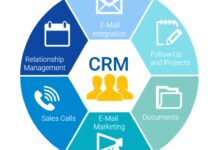
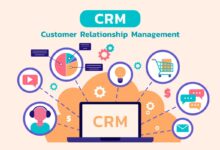
Cloud based CRM systems examples represent a shift from traditional, on-premise customer relationship management software to internet-hosted platforms. These systems allow businesses to store, manage, and analyze customer interactions and data throughout the customer lifecycle. Unlike legacy systems, cloud CRMs are accessible from anywhere, require no physical servers, and are typically subscription-based.



How Cloud CRM Differs from On-Premise CRM
The primary difference lies in deployment. On-premise CRM requires businesses to install and maintain software on their own servers, which involves high upfront costs, IT staffing, and regular updates. In contrast, cloud based CRM systems examples operate on remote servers managed by the provider. This means automatic updates, lower initial investment, and faster deployment.
- Cloud CRM: Hosted online, scalable, accessible via browser or app.
- On-Premise CRM: Installed locally, requires hardware, higher maintenance.
- Hybrid CRM: Combines both models, offering flexibility but complexity.
“The cloud has democratized CRM technology, making enterprise-grade tools accessible to startups and SMEs alike.” — Gartner Research, 2023
Key Benefits of Using Cloud-Based CRM
Adopting a cloud based CRM system offers numerous strategic advantages. First, it enhances collaboration across departments by centralizing customer data. Sales, marketing, and support teams can access real-time information, leading to faster decision-making and improved customer service.
- Cost Efficiency: No need for physical infrastructure or dedicated IT staff.
- Scalability: Easily add users or features as your business grows.
- Remote Accessibility: Work from anywhere with an internet connection.
- Automatic Updates: Stay current with the latest features and security patches.
- Integration Capabilities: Connect with email, social media, ERP, and marketing automation tools.
These benefits make cloud based CRM systems examples ideal for modern, agile organizations aiming to stay competitive.
Top 7 Cloud Based CRM Systems Examples in 2024
With a saturated market of CRM platforms, choosing the right one can be overwhelming. To simplify your decision, we’ve compiled a list of the seven most powerful and widely adopted cloud based CRM systems examples. Each offers unique strengths tailored to different business needs, from startups to large enterprises.
1. Salesforce: The Industry Leader
Salesforce is often considered the gold standard in cloud based CRM systems examples. Launched in 1999, it pioneered the concept of cloud CRM and remains the most widely used platform globally. It offers a comprehensive suite of tools for sales, service, marketing, commerce, and analytics.
- Strengths: Highly customizable, extensive app ecosystem (AppExchange), AI-powered insights (Einstein AI).
- Ideal For: Mid-sized to large enterprises with complex workflows.
- Pricing: Starts at $25/user/month (Essentials), up to $300+/user/month for Enterprise+.
Salesforce integrates seamlessly with thousands of third-party applications and supports advanced automation. Its robust API allows deep customization, making it a favorite among developers and IT teams. Learn more at salesforce.com.
2. HubSpot CRM: Best for Small Businesses and Startups
HubSpot CRM stands out for its user-friendly interface and free tier, making it one of the most accessible cloud based CRM systems examples. It’s particularly popular among small businesses, marketers, and sales teams looking for an all-in-one growth platform.
- Strengths: Free forever plan, intuitive design, built-in email tracking, and meeting scheduling.
- Ideal For: Startups, SMBs, and inbound marketing teams.
- Pricing: Free plan available; paid tiers start at $45/month for Sales Hub.
HubSpot excels in marketing automation, lead nurturing, and customer engagement. Its CRM is fully integrated with marketing, sales, service, and CMS hubs, enabling end-to-end customer journey management. Visit hubspot.com to explore its capabilities.
3. Zoho CRM: The Affordable Powerhouse
Zoho CRM is a versatile and cost-effective solution among cloud based CRM systems examples. Part of the larger Zoho ecosystem, it offers deep functionality without the premium price tag. It’s especially popular in emerging markets and among budget-conscious businesses.
- Strengths: AI assistant (Zia), workflow automation, multichannel communication, and strong mobile app.
- Ideal For: Small to mid-sized businesses seeking value and scalability.
- Pricing: Starts at $14/user/month (Standard), up to $52/user/month (Enterprise).
Zoho CRM supports sales forecasting, territory management, and social media integration. Its AI-driven insights help predict deal closures and recommend next steps. With over 50 million users worldwide, Zoho continues to expand its global footprint. Explore more at zoho.com/crm.
4. Microsoft Dynamics 365: Best for Enterprise Integration
Microsoft Dynamics 365 is a powerful contender in the cloud based CRM systems examples space, especially for organizations already using Microsoft 365. It combines CRM and ERP functionalities, offering deep integration with Outlook, Teams, Power BI, and Azure.
- Strengths: Seamless Microsoft ecosystem integration, AI for sales insights, field service management.
- Ideal For: Large enterprises and organizations invested in Microsoft products.
- Pricing: Starts at $65/user/month (Sales Professional), up to $225/user/month (Enterprise).
Dynamics 365 allows businesses to unify customer data across departments, from sales and marketing to finance and operations. Its modular design lets companies pick and pay for only the apps they need. Learn more at dynamics.microsoft.com.
cloud based crm systems examples – Cloud based crm systems examples menjadi aspek penting yang dibahas di sini.
5. Pipedrive: Best for Sales-Focused Teams
Pipedrive is a sales-centric CRM designed to help teams visualize and manage their sales pipeline. Among cloud based CRM systems examples, it stands out for its simplicity and focus on closing deals rather than overwhelming users with features.
- Strengths: Visual sales pipeline, activity reminders, email integration, and mobile-first design.
- Ideal For: Sales teams, freelancers, and small businesses with pipeline-driven workflows.
- Pricing: Starts at $14.90/user/month (Essential), up to $99/user/month (Advanced).
Pipedrive’s drag-and-drop interface makes it easy to move deals through stages. It also offers automation, reporting, and integrations with tools like Gmail, Outlook, and Zapier. Its strength lies in keeping sales teams focused and productive. Visit pipedrive.com for a free trial.
6. Freshsales (by Freshworks): Best for AI-Driven Insights
Freshsales, part of the Freshworks suite, is a modern CRM that leverages AI to enhance sales productivity. It’s one of the smarter cloud based CRM systems examples, offering real-time insights and automation to help teams close deals faster.
- Strengths: Built-in phone, AI-based lead scoring, visual deal timeline, and email tracking.
- Ideal For: Sales teams looking for AI-powered tools and automation.
- Pricing: Starts at $15/user/month (Growth), up to $69/user/month (Pro).
Freshsales automatically captures customer interactions from email, phone, and web, reducing manual data entry. Its Freddy AI provides recommendations on follow-ups, deal health, and next best actions. It’s particularly effective for inside sales teams. Learn more at freshworks.com/crm.
7. Insightly: Best for Project and CRM Integration
Insightly is a unique player among cloud based CRM systems examples because it combines CRM with project management. This makes it ideal for businesses that manage client projects alongside customer relationships.
- Strengths: Project management tools, workflow automation, customer journey mapping.
- Ideal For: Consulting firms, agencies, and service-based businesses.
- Pricing: Starts at $29/user/month (Pro), up to $75/user/month (Enterprise).
With Insightly, teams can track tasks, milestones, and deliverables directly within the CRM. It supports bidirectional sync with Google Workspace and Microsoft 365, and integrates with tools like QuickBooks and Mailchimp. Explore its features at insightly.com.
How to Choose the Right Cloud Based CRM System for Your Business
Selecting the right cloud based CRM systems examples isn’t just about features—it’s about alignment with your business goals, team size, industry, and budget. A mismatch can lead to low adoption, wasted resources, and missed opportunities.
Assess Your Business Needs and Goals
Start by defining what you want to achieve with a CRM. Are you looking to improve sales productivity, enhance customer service, or streamline marketing campaigns? Identify key pain points: Is your team losing leads? Are customer interactions scattered across emails and spreadsheets?
- Map out your customer journey from lead to post-sale support.
- Determine which departments will use the CRM (sales, marketing, support).
- Set measurable goals (e.g., increase lead conversion by 20%).
This clarity will guide your selection process and help you prioritize features.
Key Features to Look For in Cloud Based CRM Systems
Not all CRMs offer the same capabilities. When evaluating cloud based CRM systems examples, focus on these essential features:
- Contact & Lead Management: Centralized database for storing customer information.
- Sales Pipeline Tracking: Visual representation of deal stages and progress.
- Automation: Automate follow-ups, task assignments, and email sequences.
- Reporting & Analytics: Dashboards for tracking KPIs like conversion rates and sales performance.
- Mobile Access: Full functionality on smartphones and tablets.
- Integration: Compatibility with email, calendar, marketing tools, and accounting software.
- AI & Predictive Insights: Smart recommendations and forecasting.
Advanced features like territory management, quote generation, and customer portals may be necessary for larger organizations.
Budget and Scalability Considerations
While cost is important, it shouldn’t be the sole deciding factor. Consider the total cost of ownership, including user licenses, add-ons, training, and potential customization.
- Free plans (like HubSpot) are great for startups but may lack advanced features.
- Mid-tier CRMs (Zoho, Pipedrive) offer the best balance of price and functionality.
- Premium platforms (Salesforce, Dynamics 365) justify their cost with scalability and enterprise-grade security.
Ensure the CRM can grow with your business. Can you easily add users? Does it support multi-currency and multi-language for global expansion?
Implementation Best Practices for Cloud CRM Success
Even the best cloud based CRM systems examples can fail without proper implementation. Studies show that poor adoption is the leading cause of CRM failure. Follow these best practices to ensure a smooth rollout.
cloud based crm systems examples – Cloud based crm systems examples menjadi aspek penting yang dibahas di sini.
Plan Your Data Migration Strategy
Moving existing customer data into a new CRM is critical. Poor data quality can lead to duplicates, inaccuracies, and lost trust in the system.
- Start by cleaning your current data: remove duplicates, update outdated records.
- Define a consistent data structure (e.g., naming conventions, field formats).
- Use CSV imports or API integrations for migration.
- Test the import with a small dataset before full migration.
Many CRM providers offer migration tools or professional services to assist.
Train Your Team Effectively
User adoption hinges on training. Employees are more likely to embrace a CRM if they understand its value and how to use it efficiently.
- Provide role-specific training (sales vs. marketing vs. support).
- Use video tutorials, live webinars, and hands-on workshops.
- Appoint internal CRM champions to support peers.
- Offer ongoing training as new features are released.
HubSpot, for example, offers a free CRM academy with certifications. Salesforce has Trailhead, a gamified learning platform.
Monitor Adoption and Optimize Usage
After launch, track how teams are using the CRM. Most platforms offer adoption dashboards showing login frequency, data entry rates, and feature usage.
- Identify underused features and retrain staff.
- Gather feedback through surveys or focus groups.
- Adjust workflows based on real-world usage.
- Set up regular review meetings to assess ROI.
Continuous optimization ensures your CRM evolves with your business needs.
Integration Capabilities of Cloud Based CRM Systems
One of the biggest advantages of cloud based CRM systems examples is their ability to integrate with other business tools. A well-integrated CRM becomes the central hub of your tech stack, eliminating data silos and boosting productivity.
Common Integrations: Email, Calendar, and Marketing Tools
Seamless integration with email (Gmail, Outlook) and calendar apps ensures that every customer interaction is automatically logged. This reduces manual entry and improves data accuracy.
- Email tracking shows when prospects open messages or click links.
- Calendar sync prevents double-booking and automates meeting logging.
- Marketing tools (Mailchimp, ActiveCampaign) sync lead data and campaign performance.
For example, HubSpot CRM integrates natively with Gmail, allowing users to log emails and schedule meetings without leaving their inbox.
Connecting CRM with ERP and Accounting Software
For businesses that manage orders, invoices, and inventory, integrating CRM with ERP or accounting systems (like QuickBooks, NetSuite, or SAP) is crucial.
- Synchronize customer data between sales and finance teams.
- Automate invoice creation upon deal closure.
- Track revenue and profitability by customer or region.
Zoho CRM, for instance, integrates with Zoho Books and QuickBooks, enabling smooth financial workflows.
Using APIs and Automation Platforms (Zapier, Make)
For custom integrations, APIs and automation platforms like Zapier or Make (formerly Integromat) allow non-developers to connect CRMs with hundreds of apps.
- Create workflows like “When a new lead is added, add them to a Google Sheet.”
- Trigger actions across platforms (e.g., Slack notifications when a deal closes).
- Build multi-step automations without coding.
Most cloud based CRM systems examples offer REST APIs for deeper integration. Salesforce, for example, has one of the most robust API ecosystems in the industry.
Security and Data Privacy in Cloud CRM
Storing sensitive customer data in the cloud raises valid concerns about security and compliance. However, leading cloud based CRM systems examples often provide better protection than on-premise solutions due to their investment in cybersecurity.
cloud based crm systems examples – Cloud based crm systems examples menjadi aspek penting yang dibahas di sini.
How Cloud CRM Providers Ensure Data Security
Top CRM vendors employ multiple layers of security:
- Encryption: Data is encrypted both in transit (SSL/TLS) and at rest.
- Authentication: Multi-factor authentication (MFA) and single sign-on (SSO) options.
- Access Controls: Role-based permissions to limit data access.
- Auditing: Activity logs track who accessed or modified data.
- Compliance: Adherence to GDPR, CCPA, HIPAA, and SOC 2 standards.
Salesforce, for example, operates in secure data centers with 24/7 monitoring and undergoes regular third-party audits.
Best Practices for Businesses to Protect CRM Data
While providers secure the platform, businesses must also take responsibility:
- Enforce strong password policies and enable MFA.
- Regularly review user permissions and deactivate inactive accounts.
- Train employees on phishing and social engineering risks.
- Backup critical data periodically.
- Use IP restrictions to limit login locations if needed.
Proactive security measures minimize the risk of data breaches and ensure regulatory compliance.
Future Trends in Cloud Based CRM Systems
The CRM landscape is evolving rapidly, driven by AI, automation, and changing customer expectations. Staying ahead of trends ensures your business remains competitive and customer-centric.
AI and Predictive Analytics in CRM
Artificial intelligence is transforming cloud based CRM systems examples from reactive tools to proactive advisors. AI can analyze historical data to predict customer behavior, recommend next steps, and even draft emails.
- Salesforce Einstein predicts deal closure likelihood.
- HubSpot’s AI content assistant generates email copy.
- Freshsales Freddy scores leads based on engagement patterns.
As AI matures, expect more autonomous CRM functions, such as automated lead routing and sentiment analysis.
Mobile-First and Remote Work Optimization
With the rise of remote and hybrid work, mobile CRM access is no longer optional. Modern cloud based CRM systems examples are designed with mobile-first principles.
- Offline access to records and sync when back online.
- Voice-to-text notes and mobile calling features.
- Push notifications for task reminders and deal updates.
Pipedrive and Zoho CRM, for example, offer robust mobile apps that mirror desktop functionality.
Hyper-Personalization and Customer Experience
Customers expect personalized interactions. Cloud CRM systems are leveraging data to deliver tailored experiences at scale.
- Dynamic content in emails based on customer behavior.
- Personalized product recommendations.
- Automated birthday or anniversary messages.
By combining CRM data with behavioral analytics, businesses can create one-to-one experiences that drive loyalty and retention.
Real-World Success Stories: How Companies Use Cloud CRM
The true value of cloud based CRM systems examples is best illustrated through real-world applications. Here are three case studies showing how businesses achieved measurable results.
Case Study 1: A Startup Scales with HubSpot CRM
A SaaS startup with 10 employees struggled with lead tracking and follow-ups. After implementing HubSpot CRM’s free plan, they automated email sequences, tracked open rates, and nurtured leads through workflows.
- Result: 40% increase in lead conversion within 6 months.
- Key Feature Used: Email tracking and automation.
- Quote: “HubSpot helped us professionalize our sales process without breaking the bank.”
Case Study 2: Enterprise Sales Transformation with Salesforce
A global manufacturing company with 500+ sales reps used spreadsheets to manage deals. They migrated to Salesforce, implementing custom pipelines, forecasting tools, and Einstein AI.
cloud based crm systems examples – Cloud based crm systems examples menjadi aspek penting yang dibahas di sini.
- Result: 25% improvement in forecast accuracy and 15% increase in win rate.
- Key Feature Used: AI-powered insights and mobile access.
- Quote: “Salesforce gave us visibility into our global sales pipeline like never before.”
Case Study 3: Agency Efficiency with Insightly
A digital marketing agency managed client projects in separate tools—Trello for tasks, Google Sheets for contacts. They adopted Insightly to unify CRM and project management.
- Result: 30% reduction in administrative time and improved client reporting.
- Key Feature Used: Project timelines linked to customer records.
- Quote: “Insightly eliminated the need to switch between apps and improved team collaboration.”
What are cloud based CRM systems examples?
Cloud based CRM systems examples include platforms like Salesforce, HubSpot CRM, Zoho CRM, Microsoft Dynamics 365, Pipedrive, Freshsales, and Insightly. These are internet-hosted software solutions that help businesses manage customer relationships, sales pipelines, marketing campaigns, and customer service—all without requiring on-site servers.
What are the main benefits of using a cloud CRM?
The main benefits include lower upfront costs, scalability, remote accessibility, automatic updates, seamless integration with other tools, and enhanced collaboration. Cloud CRMs also offer robust security and compliance features, making them suitable for businesses of all sizes.
Which cloud CRM is best for small businesses?
HubSpot CRM and Zoho CRM are often considered the best for small businesses due to their affordability, ease of use, and strong feature sets. HubSpot offers a powerful free plan, while Zoho provides deep functionality at a low cost.
How much does a cloud CRM typically cost?
Prices vary widely. Free plans (e.g., HubSpot) are available for basic needs. Most paid CRMs start between $12–$25 per user per month. Enterprise solutions like Salesforce or Dynamics 365 can cost $100+ per user monthly, depending on features and scale.
Can cloud CRM systems work offline?
Yes, many modern cloud based CRM systems examples offer offline capabilities through mobile apps. Users can view and edit records without an internet connection, and changes sync automatically once connectivity is restored.
Cloud based CRM systems examples have revolutionized how businesses manage customer relationships. From startups to global enterprises, these platforms offer flexibility, scalability, and intelligence to drive growth. Whether you choose Salesforce for its power, HubSpot for its simplicity, or Zoho for its value, the right CRM can transform your operations. The key is to align the platform with your goals, ensure smooth implementation, and continuously optimize usage. As AI, automation, and personalization shape the future, cloud CRM will remain at the heart of customer-centric strategies.
cloud based crm systems examples – Cloud based crm systems examples menjadi aspek penting yang dibahas di sini.
Further Reading:
