In today’s fast-paced digital world, a CRM based platform isn’t just a luxury—it’s a necessity. It streamlines customer interactions, boosts sales, and transforms how businesses grow. Let’s dive into why it’s a game-changer.
What Is a CRM Based Platform?

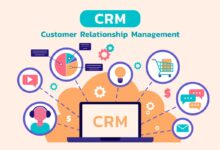
A CRM based platform stands for Customer Relationship Management system designed to help businesses manage all aspects of customer interaction. From lead generation to after-sales support, it acts as a centralized hub for customer data, communication history, and sales pipelines. These platforms are used across industries to improve customer satisfaction, increase retention, and drive revenue growth.




Core Components of a CRM System
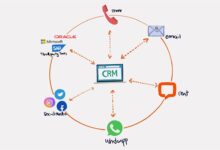
Every effective CRM based platform consists of several key modules that work together to deliver seamless customer experiences. These include contact management, sales automation, marketing tools, customer service features, and analytics dashboards.
- Contact Management: Stores customer details like names, emails, phone numbers, and interaction history.
- Sales Automation: Automates repetitive tasks such as follow-up emails, appointment scheduling, and quote generation.
- Marketing Integration: Enables targeted campaigns through email marketing, social media integration, and lead scoring.
“A CRM based platform turns raw data into meaningful relationships.” — Forbes
Types of CRM Platforms
There are three primary types of CRM systems: operational, analytical, and collaborative. Each serves a unique function but can be integrated within a single CRM based platform.
- Operational CRM: Focuses on automating sales, marketing, and service processes.
- Analytical CRM: Uses data mining and reporting to analyze customer behavior and improve decision-making.
- Collaborative CRM: Enhances communication between departments like sales, marketing, and support by sharing customer insights.
Modern platforms often combine all three, offering a holistic solution. For example, Salesforce integrates operational workflows with deep analytics and team collaboration tools, making it one of the most powerful CRM based platforms available today.
Why Your Business Needs a CRM Based Platform
Whether you’re a startup or a multinational corporation, adopting a CRM based platform can significantly impact your bottom line. It eliminates data silos, improves team coordination, and provides real-time visibility into customer journeys. Companies using CRM systems report up to 36% higher customer satisfaction rates and 29% increase in sales performance (source: Nucleus Research).
Improved Customer Insights
One of the biggest advantages of a CRM based platform is its ability to collect and organize customer data from multiple touchpoints—website visits, email opens, social media interactions, and purchase history. This consolidated view allows businesses to understand customer preferences, anticipate needs, and personalize communication.
- Tracks customer behavior across channels.
- Identifies high-value customers and churn risks.
- Enables segmentation for personalized marketing.
For instance, an e-commerce brand can use CRM insights to send personalized product recommendations based on browsing history, increasing conversion rates by up to 40%.
Enhanced Sales Efficiency
Sales teams spend nearly 60% of their time on non-selling activities like data entry and follow-ups. A CRM based platform automates these tasks, freeing up time for actual selling. Features like lead scoring, pipeline tracking, and automated reminders ensure no opportunity slips through the cracks.
- Automates lead assignment and follow-up sequences.
- Provides real-time sales forecasting.
- Integrates with calendars and email clients for seamless workflow.
According to Zendesk, companies using CRM tools close deals 2.3 times faster than those relying on spreadsheets and manual tracking.
Top Features of a Modern CRM Based Platform
Today’s CRM based platforms go far beyond simple contact lists. They are intelligent, cloud-based systems equipped with AI, automation, and deep integrations. Here are the must-have features that define a modern CRM solution.
Cloud-Based Accessibility
Most CRM based platforms today are cloud-hosted, allowing access from anywhere, on any device. This flexibility is crucial for remote teams, field sales reps, and global organizations.
- Real-time data synchronization across devices.
- No need for on-premise servers or IT maintenance.
- Automatic updates and security patches.
Platforms like HubSpot CRM offer full mobile functionality, enabling sales reps to update records during client meetings.
Artificial Intelligence and Automation
AI-powered CRM systems can predict customer behavior, suggest next-best actions, and even draft email responses. Automation reduces human error and increases productivity.
- AI-driven lead scoring prioritizes hot prospects.
- Chatbots handle initial customer inquiries 24/7.
- Smart scheduling tools find optimal meeting times.
“AI in CRM is not the future—it’s already here.” — Gartner
For example, Microsoft Dynamics 365 uses AI to analyze customer sentiment in emails and flag potential issues before they escalate.
Integration Capabilities
A CRM based platform is only as powerful as its ability to connect with other tools. Seamless integration with email, calendar, ERP, marketing automation, and e-commerce platforms ensures data flows smoothly across systems.
- Syncs with Gmail, Outlook, Slack, and Teams.
- Connects with Shopify, WooCommerce, and Magento for e-commerce.
- Integrates with accounting software like QuickBooks and Xero.
Zapier and API access further extend functionality, allowing custom workflows between CRM and hundreds of third-party apps.
How a CRM Based Platform Transforms Sales Teams
Sales is arguably the department that benefits most from a CRM based platform. It provides structure, visibility, and intelligence to what was once a chaotic, relationship-driven process.
Centralized Lead Management
Without a CRM, leads often get lost in spreadsheets or personal inboxes. A CRM based platform centralizes all leads in one place, with clear ownership, status, and history.
- Automated lead capture from web forms, landing pages, and ads.
- Duplicate detection prevents wasted effort.
- Custom pipelines reflect unique sales processes.
This ensures no lead falls through the cracks and enables managers to monitor team performance in real time.
Accurate Sales Forecasting
Traditional forecasting methods are often guesswork. With a CRM based platform, forecasting becomes data-driven. The system analyzes deal stages, win rates, historical trends, and pipeline health to generate accurate revenue predictions.
- Visual dashboards show pipeline value and conversion rates.
- Forecast adjustments based on deal probability.
- Drill-down reports by rep, region, or product line.
This level of insight helps executives make informed decisions about hiring, budgeting, and strategy.
The Role of CRM Based Platforms in Marketing
Marketing teams leverage CRM based platforms to create targeted, measurable campaigns that drive engagement and conversions. By aligning marketing efforts with customer data, businesses achieve higher ROI on their campaigns.
Personalized Campaigns at Scale
Generic mass emails are outdated. A CRM based platform enables hyper-personalization by combining demographic data, behavioral tracking, and purchase history.
- Dynamic content changes based on user profile.
- Automated drip campaigns nurture leads over time.
- A/B testing optimizes subject lines and CTAs.
For example, a SaaS company can send tailored onboarding emails based on which features a user has tried, increasing activation rates by 50%.
Lead Scoring and Nurturing
Not all leads are ready to buy. CRM systems assign scores based on engagement level (e.g., email opens, page visits, demo requests), helping marketers identify sales-ready prospects.
- Behavioral scoring tracks digital footprints.
- Demographic scoring considers job title, company size, industry.
- Nurturing workflows guide low-scoring leads toward conversion.
This ensures sales teams focus on qualified leads, improving close rates and reducing cycle times.
Customer Service and Support Enhancements
Exceptional customer service is a key differentiator—and a CRM based platform empowers support teams to deliver faster, more personalized assistance.
360-Degree Customer View
Support agents no longer need to ask customers to repeat their issues. A CRM based platform provides a complete history of interactions, purchases, and previous tickets.
- Instant access to past conversations and resolutions.
- Context-aware responses improve first-contact resolution.
- Reduces average handling time by up to 35%.
This leads to higher customer satisfaction and loyalty.
Omnichannel Support
Customers expect to reach companies via phone, email, chat, social media, and more. A CRM based platform unifies these channels into a single interface.
- Live chat integration with CRM records.
- Social media monitoring and response tools.
- Phone call logging and transcription.
Platforms like Zendesk and ServiceNow excel in omnichannel support, ensuring consistent experiences across touchpoints.
Choosing the Right CRM Based Platform for Your Business
With so many options available, selecting the right CRM based platform can be overwhelming. The key is to align the tool with your business size, industry, goals, and budget.
Assess Your Business Needs
Start by identifying your pain points. Are you losing leads? Struggling with customer retention? Need better reporting? Define your objectives before evaluating vendors.
- Small businesses may prioritize ease of use and affordability.
- Enterprises need scalability, security, and advanced customization.
- Specific industries (e.g., real estate, healthcare) require compliance and niche features.
Conduct stakeholder interviews across sales, marketing, and support to gather requirements.
Compare Key Vendors
Some of the most popular CRM based platforms include:
- Salesforce: Industry leader with unmatched customization and ecosystem.
- HubSpot CRM: User-friendly, free tier available, ideal for SMBs.
- Microsoft Dynamics 365: Strong integration with Office 365 and ERP systems.
- Zoho CRM: Affordable, feature-rich, great for growing businesses.
- Pipedrive: Sales-focused, intuitive pipeline management.
Use free trials and demos to test usability and fit.
Implementation and Training
Even the best CRM based platform fails without proper adoption. Invest in training, data migration, and change management.
- Start with a pilot group before company-wide rollout.
- Provide ongoing training and support resources.
- Assign a CRM champion to drive engagement.
According to Capterra, 74% of CRM projects fail due to poor user adoption—highlighting the importance of training and leadership buy-in.
Future Trends in CRM Based Platforms
The evolution of CRM based platforms is accelerating, driven by AI, mobile technology, and customer expectations. Staying ahead of trends ensures your business remains competitive.
AI-Powered Predictive Analytics
Future CRM systems will not only report on what happened but predict what will happen. Predictive analytics will forecast customer churn, recommend upsell opportunities, and optimize pricing strategies.
- Machine learning models analyze patterns in customer data.
- Proactive alerts notify teams of at-risk accounts.
- Automated recommendations guide next steps.
For example, Salesforce Einstein uses AI to predict which leads are most likely to convert, increasing sales efficiency.
Hyper-Personalization with Real-Time Data
Customers expect personalized experiences in real time. Next-gen CRM platforms will use live data streams to deliver instant, context-aware interactions.
- Real-time inventory and pricing updates in sales quotes.
- Personalized website content based on CRM profile.
- Instant loyalty rewards triggered by purchase behavior.
This level of personalization builds trust and increases lifetime value.
Integration with Emerging Technologies
CRM based platforms will increasingly integrate with IoT, AR/VR, and blockchain to create immersive customer experiences.
- IoT devices feed usage data into CRM for proactive service.
- AR-powered product demos accessible via CRM links.
- Blockchain ensures secure, transparent customer data sharing.
These innovations will redefine how businesses engage with customers in the coming decade.
What is a CRM based platform?
A CRM based platform is a software system designed to manage a company’s interactions with current and potential customers. It centralizes customer data, automates sales and marketing processes, and improves customer service through a unified interface.
How does a CRM based platform improve sales?
It improves sales by automating lead tracking, providing real-time pipeline visibility, enabling accurate forecasting, and reducing administrative tasks. This allows sales teams to focus on closing deals rather than manual data entry.
Is a CRM based platform suitable for small businesses?
Yes, many CRM platforms offer affordable or even free plans tailored for small businesses. Tools like HubSpot CRM and Zoho CRM provide essential features without complexity, helping small teams scale efficiently.
Can CRM systems integrate with other business tools?
Absolutely. Modern CRM based platforms integrate seamlessly with email, calendars, marketing automation, e-commerce, and accounting software via APIs or built-in connectors like Zapier.
What are the main challenges in implementing a CRM based platform?
Common challenges include data migration, user adoption, lack of training, and poor alignment with business processes. Success requires clear planning, leadership support, and ongoing optimization.
Adopting a CRM based platform is no longer optional—it’s a strategic imperative. From streamlining operations to delivering personalized customer experiences, the benefits are undeniable. Whether you’re a small startup or a global enterprise, the right CRM system can transform how you engage with customers, drive sales, and grow sustainably. As technology evolves, so too will CRM platforms, bringing even smarter, more intuitive tools to help businesses thrive in an increasingly competitive landscape. The key is to start now, choose wisely, and commit to continuous improvement.
Further Reading: