In today’s fast-paced digital world, businesses need smarter ways to manage customer relationships. Enter CRM based products—powerful tools that streamline sales, boost engagement, and drive growth. Let’s explore how they’re reshaping modern business.
What Are CRM Based Products and Why They Matter

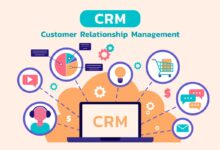
Customer Relationship Management (CRM) based products are software solutions designed to help businesses manage interactions with current and potential customers. These tools centralize customer data, automate workflows, and provide insights that improve decision-making across sales, marketing, and customer service teams.





Defining CRM Based Products
CRM based products refer to any software or platform built around the core principles of CRM: collecting, organizing, and leveraging customer data. These can range from cloud-based SaaS platforms to on-premise enterprise systems. The key is their ability to track every customer touchpoint—from initial contact to post-sale support.
- They store contact information, communication history, purchase behavior, and preferences.
- They integrate with email, social media, phone systems, and marketing automation tools.
- They offer dashboards and reporting features for real-time performance tracking.
According to Gartner, the global CRM software market was valued at over $56 billion in 2023 and continues to grow rapidly as more companies adopt digital transformation strategies.
Core Components of CRM Systems
Every effective CRM based product includes several foundational components that work together to deliver value:
- Contact Management: Stores all customer details in one accessible location.
- Sales Force Automation: Tracks leads, opportunities, and pipelines to improve conversion rates.
- Marketing Automation: Enables targeted campaigns, lead scoring, and campaign analytics.
- Customer Service & Support: Manages tickets, service requests, and knowledge bases.
- Analytics & Reporting: Delivers actionable insights through customizable reports and KPIs.
“A CRM isn’t just a database—it’s a strategic asset that turns customer data into revenue.” — Forbes Insights
Types of CRM Based Products
Not all CRM based products are created equal. They fall into three main categories based on functionality and use case:
- Operational CRM: Focuses on automating customer-facing processes like sales, marketing, and service. Examples include Salesforce Sales Cloud and HubSpot CRM.
- Analytical CRM: Emphasizes data analysis to understand customer behavior and improve retention. Tools like Microsoft Dynamics 365 offer robust analytics modules.
- Collaborative CRM: Enhances communication across departments and channels. Zendesk and Freshworks are strong examples in this category.
Choosing the right type depends on your business size, industry, and strategic goals. Small businesses might prefer lightweight, easy-to-use CRM based products like Zoho CRM, while enterprises may require scalable, customizable platforms like SAP CRM.
Top 7 CRM Based Products Dominating the Market in 2024
The CRM landscape is crowded, but a few standout platforms consistently deliver value across industries. Here’s a deep dive into the top seven CRM based products shaping the future of customer engagement.
1. Salesforce Sales Cloud
Salesforce remains the undisputed leader in CRM based products, with a market share exceeding 19% globally. Its Sales Cloud platform offers end-to-end sales automation, AI-powered forecasting, and seamless third-party integrations.
- Features Einstein AI for predictive lead scoring and opportunity insights.
- Offers AppExchange, a marketplace with over 3,000 integrations.
- Supports multi-channel communication including email, chat, and social media.
Salesforce is ideal for mid-sized to large organizations seeking scalability and customization. Learn more at salesforce.com.
2. HubSpot CRM
HubSpot CRM is a favorite among small and medium-sized businesses due to its user-friendly interface and free tier. It’s a powerful example of how CRM based products can be both accessible and feature-rich.
- Completely free core CRM with contact, deal, and task management.
- Integrates seamlessly with HubSpot’s marketing, sales, and service hubs.
- Offers automation workflows, email tracking, and meeting scheduling.
Its drag-and-drop interface makes it easy for non-technical users to set up pipelines and track customer journeys. Visit hubspot.com to explore its full suite.
3. Microsoft Dynamics 365
Microsoft Dynamics 365 combines CRM and ERP capabilities, making it a top choice for enterprises already embedded in the Microsoft ecosystem.
- Deep integration with Outlook, Teams, and Office 365.
- AI-driven insights through Power BI and Azure AI services.
- Flexible deployment options: cloud, on-premise, or hybrid.
Dynamics 365 is particularly strong in industries like manufacturing, healthcare, and finance where data compliance and integration are critical. More details at dynamics.microsoft.com.
4. Zoho CRM
Zoho CRM is a cost-effective, highly customizable solution that’s perfect for growing businesses. It’s one of the most versatile CRM based products available today.
- Offers AI assistant Zia for voice commands, sentiment analysis, and forecasting.
- Supports multi-channel sales automation including telephony and social media.
- Provides industry-specific editions for retail, real estate, and education.
Zoho’s ecosystem includes over 50 integrated apps, allowing businesses to build a complete digital workspace. Explore it at zoho.com/crm.
5. Pipedrive
Pipedrive is built for sales teams that prioritize pipeline visibility and deal progression. It’s one of the most intuitive CRM based products for sales-focused organizations.
- Visual sales pipeline lets users drag and drop deals through stages.
- Automated activity reminders and email integration keep teams on track.
- Strong mobile app for on-the-go sales reps.
Pipedrive excels in simplicity and clarity, making it ideal for startups and small sales teams. Learn more at pipedrive.com.
6. Freshworks CRM (Formerly Freshsales)
Freshworks CRM is known for its smart automation and built-in phone system, offering a complete sales engagement platform.
- Includes a native auto-dialer, call recording, and voicemail drop.
- AI-powered lead scoring and deal insights.
- Real-time engagement metrics and team performance tracking.
It’s especially popular in high-volume sales environments like SaaS and e-commerce. Visit freshworks.com/crm for a free trial.
7. Oracle CX Sales
Oracle CX Sales is an enterprise-grade CRM based product designed for complex sales cycles and global operations.
- Leverages machine learning for forecasting accuracy and deal recommendations.
- Supports configure-price-quote (CPQ) and contract management.
- Offers deep integration with Oracle’s ERP and HCM systems.
It’s best suited for large organizations in industries like telecommunications, energy, and logistics. More info at oracle.com/cx/sales.
Key Features to Look for in CRM Based Products
With so many CRM based products on the market, choosing the right one can be overwhelming. Focus on these essential features to ensure long-term success.
1. Contact and Lead Management
The foundation of any CRM based product is its ability to organize and manage customer data effectively.
- Look for tools that allow bulk imports, custom fields, and segmentation.
- Ensure it supports lead scoring and routing to prioritize high-value prospects.
- Check for duplicate detection and data enrichment capabilities.
For example, HubSpot CRM automatically enriches contact profiles using publicly available data, saving time and improving accuracy.
2. Automation and Workflow Tools
Automation is what separates basic CRMs from powerful CRM based products. It reduces manual tasks and ensures consistency.
- Email automation: Send follow-ups, reminders, and drip campaigns.
- Task automation: Assign activities based on triggers like form submissions.
- Approval workflows: Streamline processes like discount requests or contract reviews.
Salesforce Flow and Zoho CRM’s Blueprint are excellent examples of advanced workflow automation.
3. Integration Capabilities
No CRM operates in isolation. The best CRM based products integrate seamlessly with other tools your team uses daily.
- Email platforms (Gmail, Outlook)
- Marketing tools (Mailchimp, ActiveCampaign)
- Customer support (Zendesk, Intercom)
- Accounting software (QuickBooks, Xero)
- Telephony systems (Aircall, RingCentral)
Check if the CRM offers native integrations or requires third-party connectors like Zapier. Native integrations are usually more reliable and easier to maintain.
Benefits of Using CRM Based Products for Your Business
Implementing the right CRM based product can transform how your business operates. Here are the top benefits backed by real-world results.
Improved Customer Relationships
CRM based products give you a 360-degree view of each customer, enabling personalized interactions at scale.
- Track every interaction—calls, emails, meetings, support tickets.
- Use customer history to tailor offers and communications.
- Reduce response times and increase satisfaction scores.
A study by Nucleus Research found that businesses using CRM based products see an average return of $8.71 for every dollar spent.
Increased Sales Efficiency
Sales teams spend less time on admin and more time selling when using CRM based products.
- Automated data entry reduces manual input errors.
- Pipeline visibility helps managers identify bottlenecks.
- Forecasting tools improve accuracy in revenue predictions.
According to Salesforce, high-performing sales teams are 2.3x more likely to use CRM consistently.
Better Data-Driven Decision Making
CRM based products turn raw data into actionable insights through dashboards and reports.
- Monitor KPIs like conversion rates, average deal size, and sales cycle length.
- Identify trends in customer behavior and market demand.
- Adjust strategies in real time based on performance data.
Tools like Microsoft Power BI and Salesforce Einstein Analytics make it easy to visualize complex data without technical expertise.
How to Choose the Right CRM Based Product for Your Needs
Selecting the right CRM based product isn’t just about features—it’s about fit. Follow this step-by-step guide to make the best decision.
Assess Your Business Requirements
Start by identifying your core challenges and goals.
- Are you struggling with lead follow-up? Look for strong automation.
- Do you have a distributed sales team? Prioritize mobile access and collaboration.
- Need better reporting? Focus on analytics and dashboard capabilities.
Create a checklist of must-have features before evaluating vendors.
Consider Scalability and Flexibility
Your CRM should grow with your business. Avoid solutions that lock you into rigid structures.
- Can the CRM handle more users, data, and integrations as you scale?
- Does it offer modular pricing so you only pay for what you need?
- Is customization possible without heavy coding?
Platforms like Zoho CRM and Salesforce allow extensive customization through low-code tools.
Evaluate User Adoption and Training
Even the best CRM based product fails if your team doesn’t use it.
- Choose a platform with an intuitive interface.
- Check if the vendor offers onboarding, training, and support.
- Look for mobile apps and offline access for field teams.
HubSpot and Pipedrive are known for their user-friendly designs and extensive knowledge bases.
Common Challenges and How to Overcome Them
Implementing CRM based products isn’t without hurdles. Here are the most common challenges and proven ways to overcome them.
Data Migration and Integration Issues
Transferring data from legacy systems can be messy and time-consuming.
- Clean your data before migration—remove duplicates and outdated entries.
- Use professional migration services if available.
- Test the integration thoroughly before going live.
Many CRM vendors offer free migration tools or partner with specialists to ease the transition.
Low User Adoption
Employees may resist using a new system if it feels complicated or unnecessary.
- Involve key users in the selection process.
- Provide hands-on training and ongoing support.
- Highlight personal benefits like reduced workload and better performance tracking.
According to a CIO.com report, poor user adoption is the #1 reason CRM projects fail.
Over-Customization and Complexity
While customization is powerful, too much can lead to confusion and maintenance issues.
- Start with standard features and add complexity gradually.
- Document all customizations for future reference.
- Regularly audit your setup to remove unused fields or workflows.
Keep it simple at first—optimize later based on actual usage patterns.
Future Trends in CRM Based Products
The future of CRM based products is being shaped by AI, automation, and hyper-personalization. Stay ahead by understanding these emerging trends.
Artificial Intelligence and Predictive Analytics
AI is no longer a luxury—it’s becoming standard in CRM based products.
- Predictive lead scoring identifies high-conversion prospects.
- Chatbots handle routine inquiries 24/7.
- Natural language processing (NLP) analyzes customer sentiment in emails and calls.
Salesforce Einstein and Microsoft Copilot are leading the charge in embedding AI into everyday workflows.
Mobile-First and Remote Work Enablement
With remote work here to stay, CRM based products must be accessible anywhere, anytime.
- Mobile apps with offline mode are now essential.
- Voice-enabled CRM allows hands-free data entry.
- Integration with video conferencing tools enhances virtual sales meetings.
Pipedrive and Zoho CRM have invested heavily in mobile UX to support distributed teams.
Hyper-Personalization and Customer Journey Mapping
Customers expect personalized experiences at every stage of their journey.
- CRM based products now map customer journeys across channels.
- Dynamic content adjusts based on user behavior and preferences.
- Real-time recommendations enhance cross-selling and upselling.
Oracle CX and Adobe Experience Platform are pushing the boundaries of personalization through unified customer profiles.
What are CRM based products?
CRM based products are software platforms designed to manage customer interactions, streamline sales processes, and improve customer service by centralizing data and automating workflows.
Which CRM based product is best for small businesses?
HubSpot CRM and Zoho CRM are excellent choices for small businesses due to their affordability, ease of use, and robust free tiers.
How do CRM based products improve sales?
They improve sales by automating follow-ups, providing pipeline visibility, enabling lead scoring, and offering data-driven insights for better forecasting and decision-making.
Can CRM based products integrate with other tools?
Yes, most CRM based products integrate with email, marketing automation, telephony, accounting, and customer support tools via native connectors or platforms like Zapier.
Are CRM based products worth the investment?
Absolutely. Studies show that CRM systems deliver an average ROI of $8.71 for every dollar spent by increasing efficiency, improving customer retention, and boosting sales conversion rates.
CRM based products have evolved from simple contact managers to intelligent, integrated platforms that drive business growth. Whether you’re a startup or a global enterprise, the right CRM can transform how you engage with customers, empower your teams, and make strategic decisions. By understanding the key features, evaluating your needs, and staying ahead of trends like AI and personalization, you can choose a solution that delivers long-term value. The future of customer relationships is digital, data-driven, and centered around powerful CRM based products.
Recommended for you 👇
Further Reading: